
Digital Transformation Myths: What Small Businesses Need to Know
Ve
Understanding Digital Transformation
Digital transformation is a buzzword that has been circulating in the business world for quite some time. However, for many small businesses, it remains a concept shrouded in mystery and misconceptions. Understanding what digital transformation truly entails is the first step in leveraging its benefits.

Myth 1: Digital Transformation Is Only for Large Corporations
One of the most common myths is that digital transformation is only necessary or feasible for large enterprises. In reality, small businesses stand to gain significantly by adopting digital technologies. Digital tools can enhance efficiency, improve customer engagement, and provide insights that drive better decision-making.
Myth 2: It's All About Technology
While technology is a crucial component, digital transformation is not solely about adopting new tools. It's about rethinking how your business operates and delivers value to customers. This often involves changes in processes, culture, and customer interactions.

Benefits of Digital Transformation for Small Businesses
Embracing digital transformation can lead to several advantages for small businesses. A few of these benefits include:
- Increased Efficiency: Automation and digital tools can streamline operations and reduce manual tasks.
- Improved Customer Experience: Digital platforms allow for enhanced communication and personalized experiences.
- Greater Agility: Technology enables faster adaptation to market changes and customer needs.
Myth 3: It's Too Expensive
Another prevalent myth is that digital transformation is prohibitively expensive. While there are costs involved, many digital solutions offer scalable pricing models suitable for small businesses. Additionally, the long-term savings and revenue growth can outweigh the initial investment.

Steps to Begin Your Digital Transformation
Starting a digital transformation journey doesn't have to be overwhelming. Here are some steps small businesses can take:
- Assess Your Current State: Understand your current processes and identify areas for improvement.
- Set Clear Goals: Define what you want to achieve through digital transformation.
- Choose the Right Technologies: Select tools that align with your business needs and goals.
- Train Your Team: Ensure your team is equipped to use new technologies effectively.
Myth 4: Digital Transformation Is a One-Time Project
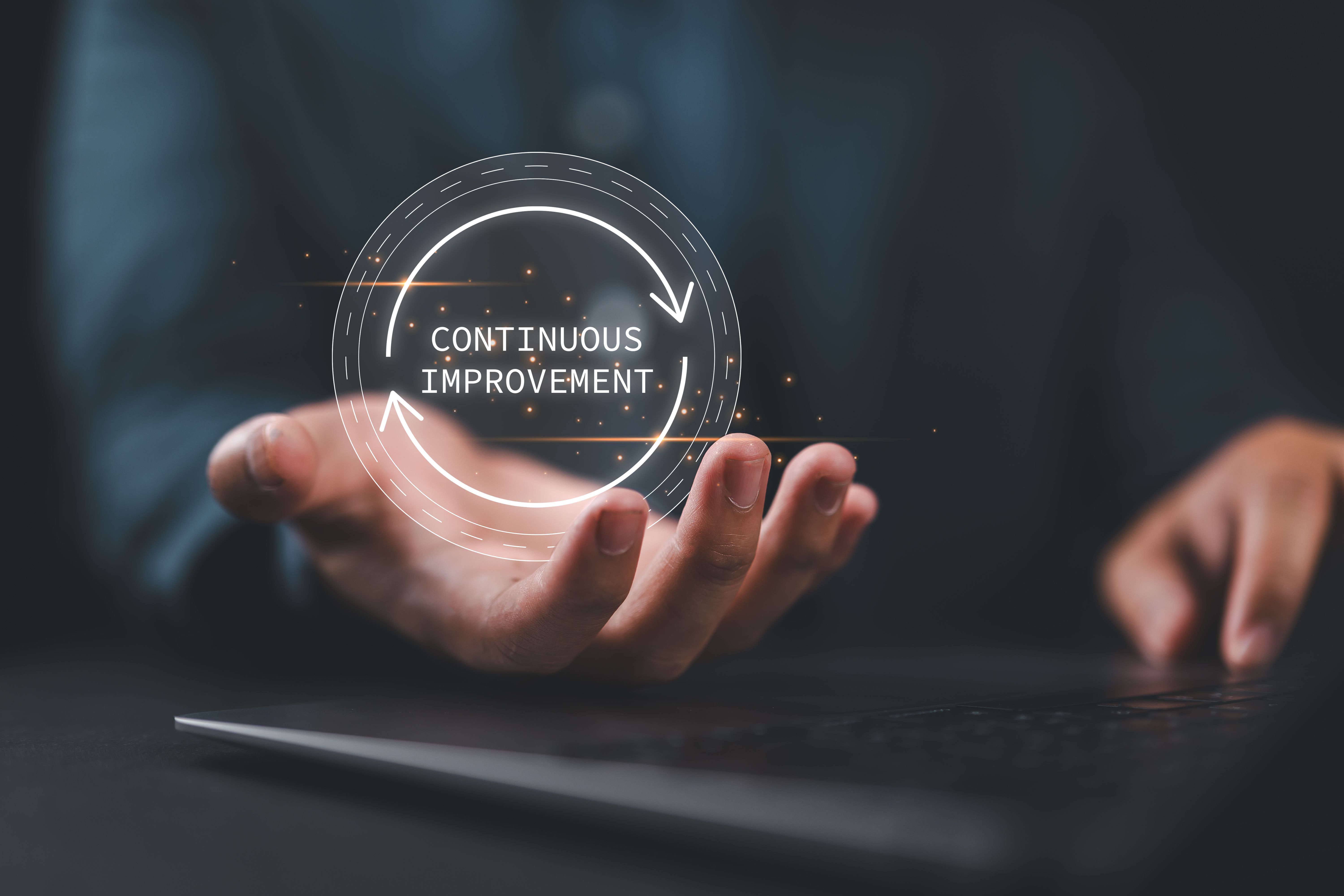
Digital transformation is not a one-time project but an ongoing process. It requires continuous evaluation and adaptation to remain competitive and meet evolving customer expectations.
Conclusion
Digital transformation is essential for small businesses looking to thrive in today's competitive landscape. By dispelling these myths and embracing change, small businesses can unlock new opportunities and drive sustainable growth. Start small, stay informed, and gradually integrate digital strategies to see meaningful results.