Unlocking Business Growth with Marketing Automation: A Guide for SMEs
Ve
In today's fast-paced digital landscape, small and medium-sized enterprises (SMEs) face the challenge of staying competitive while managing limited resources. One powerful tool that can drive growth without overwhelming resources is marketing automation. By automating repetitive tasks and streamlining processes, SMEs can enhance their efficiency and focus on strategic growth initiatives.
Understanding Marketing Automation
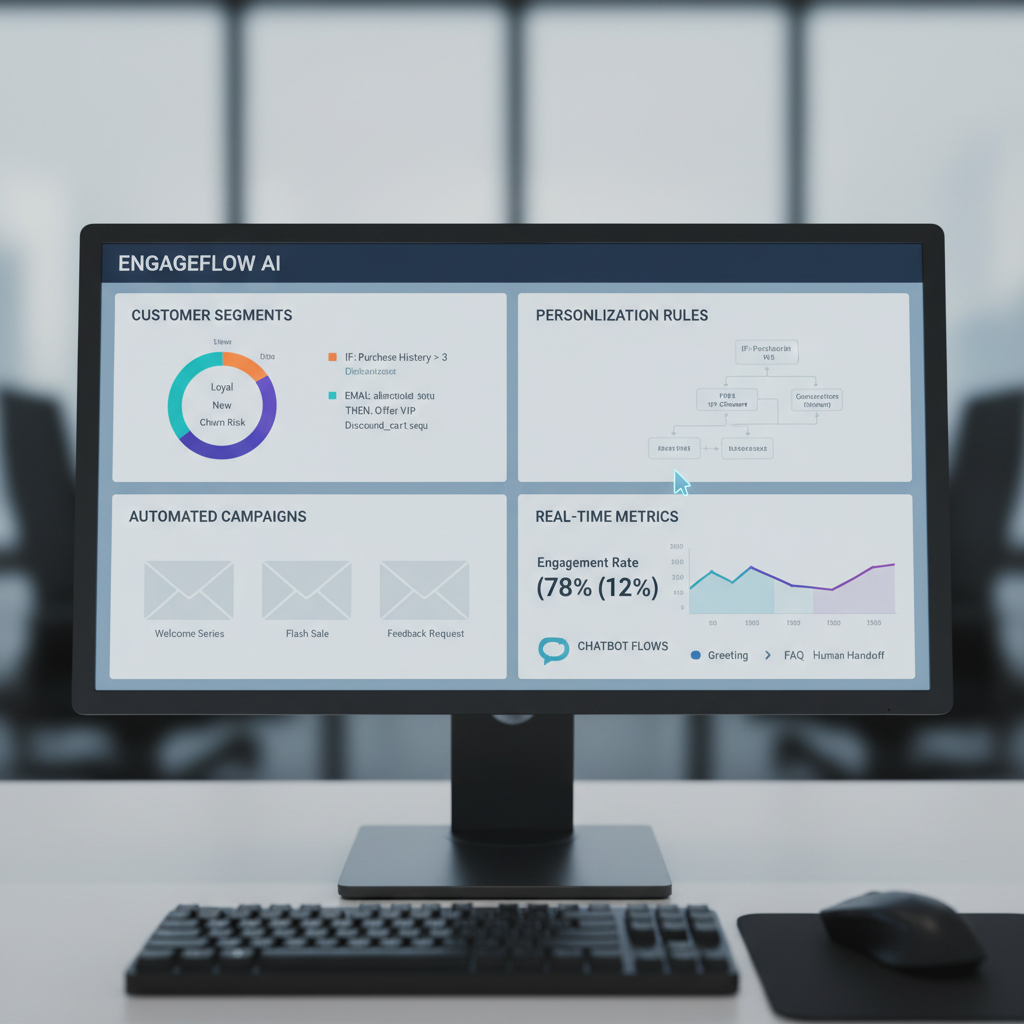
Marketing automation refers to the use of software platforms and technologies to automate repetitive marketing tasks. This can include email marketing, social media posting, ad campaigns, and more. By implementing these systems, businesses can reach their audience more effectively while freeing up valuable time for their teams.
Benefits of Marketing Automation for SMEs
For SMEs, the benefits of marketing automation are particularly compelling. Firstly, it allows for more personalized marketing efforts, enabling businesses to tailor their messages to individual customer needs and preferences. This personalization can lead to increased customer engagement and higher conversion rates.

Secondly, automation provides SMEs with valuable data and insights. By analyzing customer behavior and engagement patterns, businesses can make informed decisions and optimize their marketing strategies. This data-driven approach can significantly enhance the effectiveness of marketing efforts.
Implementing Marketing Automation
Getting started with marketing automation may seem daunting, but it can be broken down into manageable steps:
- Identify your goals and objectives.
- Select the right automation tools that align with your business needs.
- Integrate your existing platforms and systems for a seamless experience.
- Design and implement automated workflows that reflect your marketing strategy.
- Continuously monitor and refine your processes based on performance data.

Choosing the Right Tools
There are numerous marketing automation tools available, each with unique features and capabilities. When selecting a tool, consider factors such as ease of use, scalability, integration capabilities, and the specific features that align with your business objectives. Popular platforms like HubSpot, Mailchimp, and Marketo offer a range of solutions for businesses of all sizes.
Overcoming Challenges
While marketing automation offers numerous advantages, SMEs may face challenges in its implementation. Common obstacles include budget constraints, lack of technical expertise, and resistance to change. To overcome these, businesses should focus on training and educating their teams, starting with small projects, and gradually expanding as confidence grows.

Ultimately, the key to successful marketing automation lies in its strategic use. By aligning automation efforts with business goals and continuously refining strategies based on performance data, SMEs can unlock significant growth potential. With the right approach, marketing automation can transform how businesses engage with their customers and drive long-term success.